
Books That Shape Our Thinking
A curated collection of books that have informed our understanding of education, psychology, leadership and organisational development. These recommendations bring together research and practical ideas that can strengthen practice and inspire meaningful change.
Teaching & Learning
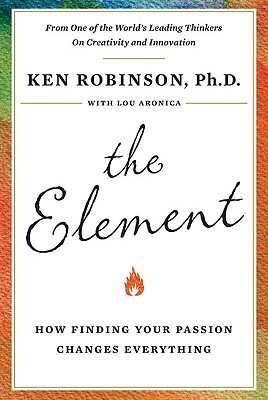
The Element — Sir Ken Robinson with Lou Aronica
Explores what can happen when people discover the point at which their abilities and passions meet. It offers an engaging argument for education that recognises individual strengths, creativity and potential.
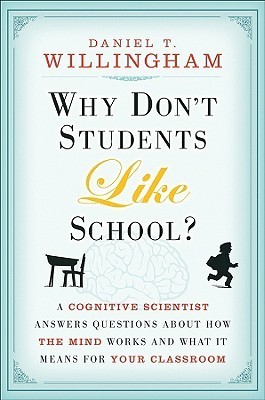
Why Don’t Students Like School? — Daniel T. Willingham
An accessible introduction to the cognitive science of learning, explaining how memory, knowledge and thinking influence classroom practice. Particularly valuable overall, although its final discussion of technology is less convincing.
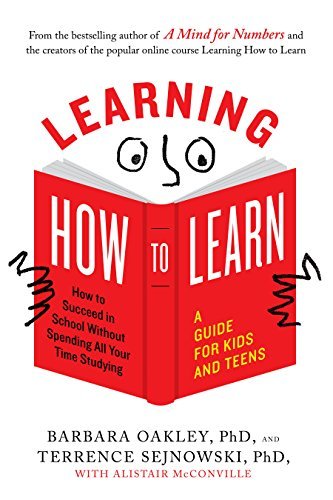
Learning How to Learn — Barbara Oakley and Terrence Sejnowski, with Alistair McConville
Explains how memory, focus, practice and procrastination affect learning, translating cognitive science into accessible strategies for students. It offers practical guidance for mastering difficult subjects and developing more effective study habits.
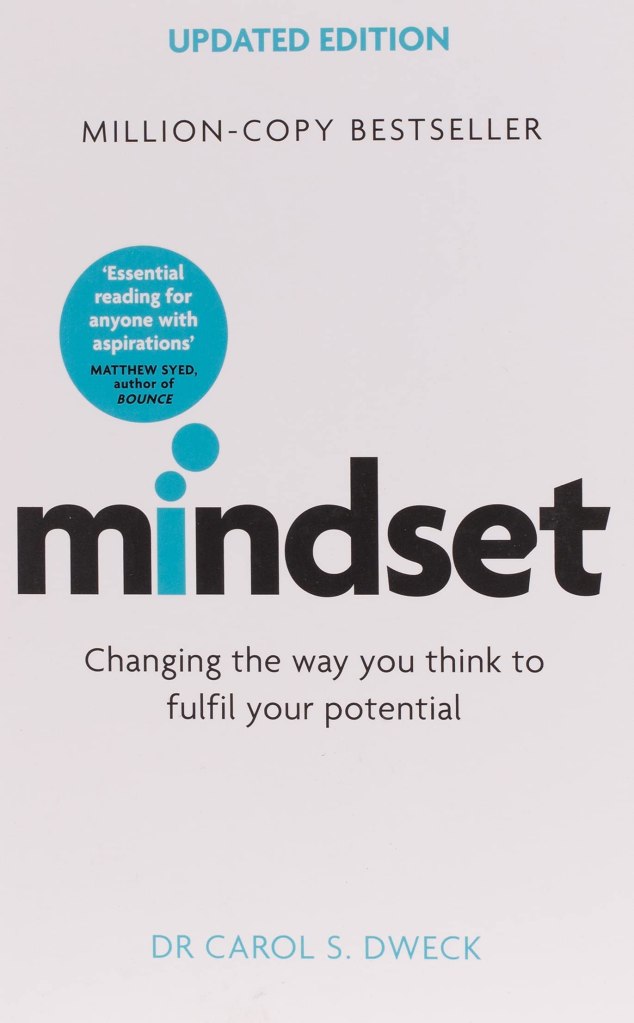
Mindset — Carol S. Dweck
Explores how beliefs about intelligence and ability can influence motivation, resilience and achievement. It introduces the distinction between fixed and growth mindsets and considers its implications for learning, relationships and personal development.
Child Development & Psychology
The Expectation Effect — David Robson
Explores how expectations can influence perception, behaviour, health and performance. It provides a compelling account of how beliefs shape experience without reducing their effects to simplistic positive thinking.
Influence — Robert B. Cialdini
Explains the psychological principles that shape persuasion, compliance and decision-making. It provides a valuable framework for recognising how social cues influence behaviour in professional and everyday contexts.

The Anxious Generation — Jonathan Haidt
Examines the relationship between childhood, smartphones, social media and rising levels of distress among young people. It presents a forceful argument for restoring play, independence and developmentally appropriate boundaries.
The Reason I Jump — Naoki Higashida
Offers insight into one young autistic person’s experience of communication, behaviour and the world around him. It encourages readers to question assumptions and approach neurodivergent experiences with greater curiosity and empathy.

This Is Why You Dream — Rahul Jandial
Explores the neuroscience of dreaming and considers what dreams reveal about memory, emotion, creativity and waking life. It makes complex brain science accessible while examining the possible purposes of dreaming.
Leadership
Unreasonable Hospitality — Will Guidara
Explores how exceeding expectations and creating memorable experiences can transform organisations and relationships. It shows how attention to detail, empowered teams and a culture of service can make people feel genuinely valued.
Good to Great — Jim Collins
Examines why some organisations make the transition from competent performance to sustained excellence. Its ideas about disciplined people, focused leadership and organisational momentum transfer usefully to educational settings.
Headstrong — Dame Sally Coates
Presents practical lessons drawn from a career in school leadership, particularly in challenging educational contexts. It emphasises clarity, courage, high expectations and an unwavering focus on pupils.

Made to Stick — Chip Heath and Dan Heath
Examines why some ideas are remembered while others disappear, offering practical principles for communicating with clarity and impact. Highly relevant to teaching, professional development and leadership communication.

Professional Development
Hidden Potential — Adam Grant
Challenges the idea that achievement is determined primarily by innate talent. It explores how character, opportunity, support and effective learning structures can help individuals and groups develop beyond their apparent starting points.
The Creative Act — Rick Rubin
A reflective exploration of creativity as a way of noticing, thinking and engaging with the world. Its ideas extend beyond the arts and encourage openness, experimentation and trust in the creative process.
Rebel Ideas: The Power of Diverse Thinking — Matthew Syed
Explores how cognitive diversity can improve problem-solving, innovation and collective judgement. It demonstrates the risks of echo chambers and the value of bringing different experiences and perspectives into decision-making.

Culture & Organisations
Onward — Howard Schultz with Joanne Gordon
Recounts Schultz’s return to Starbucks and the difficult decisions made to restore the company’s performance without abandoning its values. It explores leadership, organisational identity and the tension between commercial success and purpose.

Let My People Go Surfing — Yvon Chouinard
Combines the story of Patagonia with an unconventional philosophy of business, work and environmental responsibility. It challenges traditional assumptions about organisational culture and what responsible commercial success can look like.

The Everything Store — Brad Stone
Traces Amazon’s growth and the relentless ambition that shaped its strategy and culture. It offers a compelling, sometimes uncomfortable examination of innovation, scale, leadership and organisational intensity.

Michaela: The Power of Culture — edited by Katharine Birbalsingh
Offers an assertive account of how one school uses routines, expectations and shared values to create a distinctive culture. It provides useful material for reflection, even where readers disagree with aspects of its philosophy or practice.

Systems & Strategy
The Checklist Manifesto: How to Get Things Right— Atul Gawande
Shows how well-designed checklists can reduce avoidable errors in complex environments without replacing professional expertise. Its central principles have clear relevance to educational operations, safeguarding and organisational consistency.
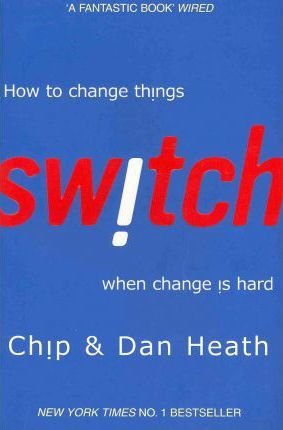
Switch: How to Change Things When Change Is Hard — Chip Heath and Dan Heath
Explores why change is difficult and how it can be made more achievable by addressing rational thought, emotion and the surrounding environment. It offers a memorable and practical framework for leading individual and organisational change.
